Spanish 21 Late Surrender Rules: The Weapon Most Players Never Deploy
Late surrender in Spanish 21 is not a courtesy rule — it is a structural edge that separates apes from calculators, and the house knows it. Most players stare at a stiff sixteen against a dealer ten and hand over their money like tourists. You are not most players.
Here is the mechanical truth: late surrender lets you forfeit exactly half your wager after the dealer checks for blackjack but before any further action. In a game where eights, nines, and tens have been stripped from the shoe, that single option is worth a brutal amount of expected value. Spanish 21 late surrender rules are the first thing a serious grinder interrogates before a single chip hits the felt.
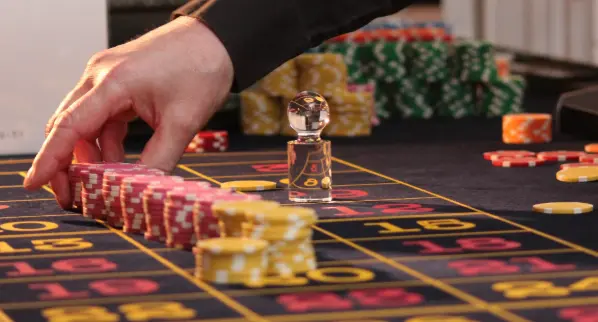
Why the Stripped Deck Makes Surrender Non-Negotiable
Standard blackjack logic tells you to surrender hard sixteen against a ten and hard fifteen against a ten. Spanish 21 torches that script. With four tens removed per deck, the composition of the remaining shoe shifts violently, and the surrender index expands. You are surrendering more aggressively because the deck itself is starving for the cards that would rescue your stiff hands.
Against a dealer ten, hard fifteen and hard sixteen are automatic surrenders. Hard seventeen against an ace? Surrender in specific configurations depending on the count and the exact table rules. Anyone who tells you to stand on that junk is burning money with a smile 😤. The house edge in Spanish 21 sits around 0.4% with perfect basic strategy, but strip away late surrender and you hand back nearly 0.7% instantly. That is not a rounding error — that is your entire edge evaporating.
Hunting Low House Edge Spanish 21 Tables
Not all Spanish 21 layouts are created equal, and the difference lives in the fine print. A low house edge Spanish 21 table requires three non-negotiables: late surrender available, dealer hits soft seventeen, and a re-split allowance up to four hands. Miss any one of those and the math sours fast.
The re-split and double-down rescue rules are where the real carnage happens for the house. Spanish 21 permits doubling after splitting, and it lets you rescue half your bet after doubling when you catch a miserable card. Combine that with late surrender and you are operating a machine the casino floor barely tolerates 💰. I have watched pit bosses sweat when a disciplined player surrenders three stiff hands in a row and grinds the table down to a sub-0.3% theoretical loss.
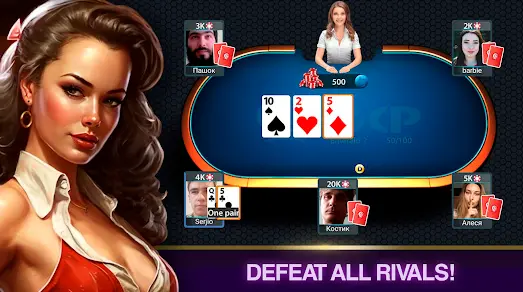
The Surrender Decision Tree That Actually Prints
Memorize this and stop guessing. Hard sixteen versus dealer nine, ten, or ace: surrender. Hard fifteen versus dealer ten: surrender. Hard seventeen versus dealer ace in a shoe game where the dealer hits soft seventeen: strongly consider surrender at neutral and negative counts. That is it. Do not invent creative surrender spots. The rule is a precision instrument, not a blunt hammer.
The psychological trap is that surrender feels like cowardice. It is not. It is a cold, mathematically verified extraction of value from a rule set the casino buried in the footnote so you would ignore it. Treat Spanish 21 late surrender rules as the load-bearing wall of your entire strategy — because on a stripped-deck game with a 0.4% baseline edge, it absolutely is.